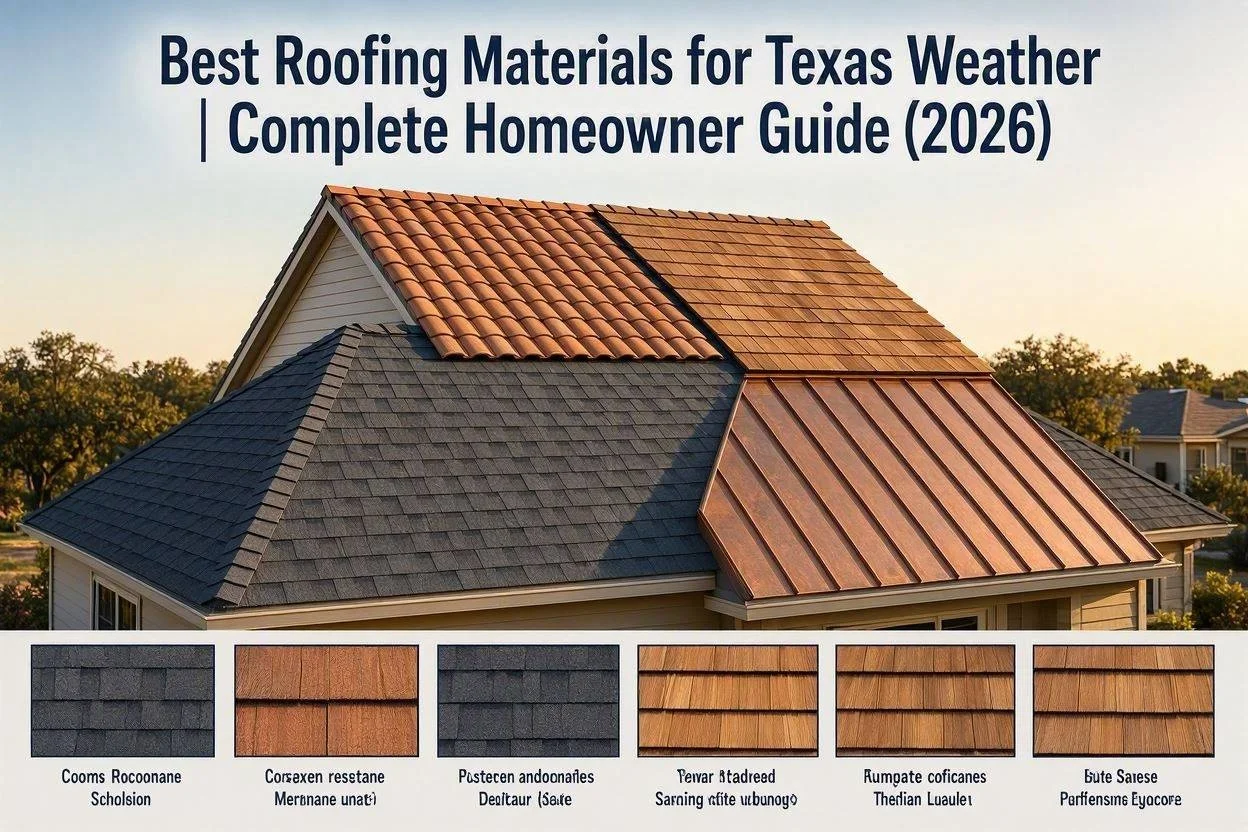
Best Roofing Materials for Texas Weather
Choosing the best roofing materials for Texas weather is one of the most important decisions a homeowner can make. Texas experiences some of the harshest weather conditions in the United States, including intense summer heat, damaging hailstorms, heavy rain, strong winds, and occasional freezing temperatures. Because your roof is your home’s first line of defense, selecting the right roofing material is essential for protecting your property and reducing long-term maintenance costs.
If you’re planning a roof replacement in McKinney or anywhere in Texas, understanding how different roofing materials perform under extreme weather conditions can help you make the right investment. In this guide, we’ll compare the most popular roofing options, discuss their advantages and disadvantages, and explain which material offers the best value for Texas homeowners.
Why Choosing the Right Roofing Material Matters
Texas weather can change quickly. A roof that performs well in mild climates may not be able to withstand the heat, hail, and strong winds common throughout the state.
The best roofing materials for Texas weather should provide:
- Excellent heat resistance
- High wind protection
- Hail resistance
- Long lifespan
- Energy efficiency
- Low maintenance
- Strong curb appeal
Choosing the right material not only protects your home but can also reduce cooling costs and increase your property’s resale value.
What Makes Texas Weather Challenging?
Texas homeowners face several weather-related challenges throughout the year.
Extreme Summer Heat
Summer temperatures often exceed 100°F, causing roofing materials to expand and contract daily. Over time, this constant movement can shorten the lifespan of low-quality roofs.
Hailstorms
North Texas, including McKinney, frequently experiences severe hailstorms that can crack shingles, dent metal panels, and weaken roofing systems.
Strong Winds
Thunderstorms often bring high winds capable of lifting shingles and damaging poorly installed roofs.
Heavy Rain
Heavy rainfall can expose weaknesses in flashing, underlayment, and roof decking, leading to leaks if the roofing system is not properly installed.
UV Exposure
Continuous exposure to sunlight gradually breaks down roofing materials, especially older asphalt shingles.
This is why selecting the best roofing materials for Texas weather is essential for long-term protection.
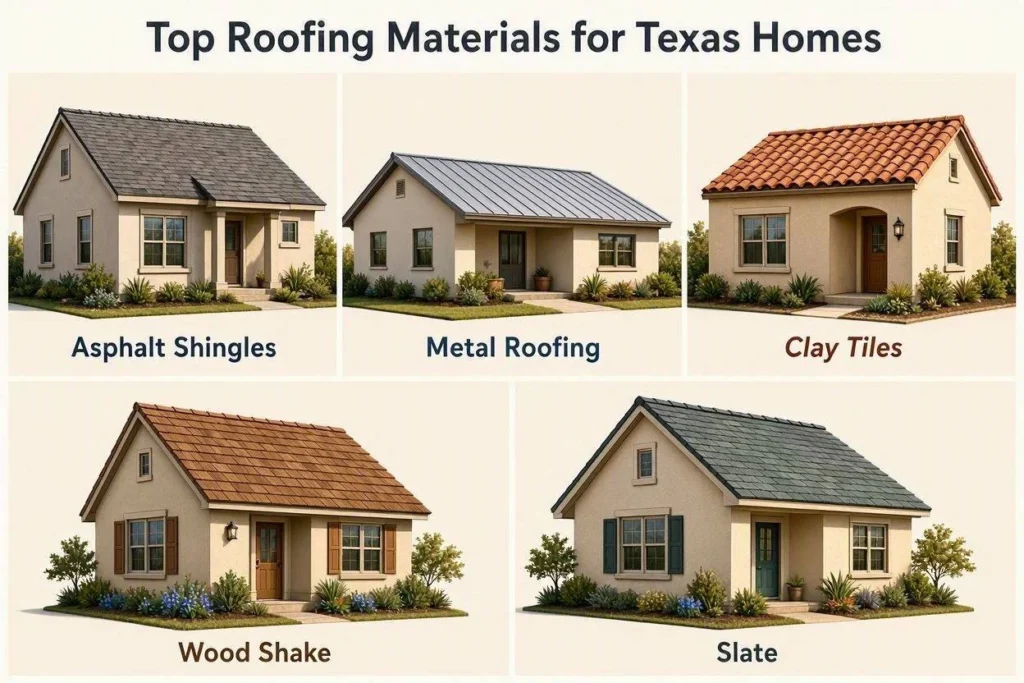
Top Roofing Materials for Texas Homes
Several roofing materials perform well in Texas, but each has unique advantages.
1. Asphalt Shingles
Asphalt shingles remain the most popular roofing material for residential homes because they offer an excellent balance of affordability and performance.
Advantages
- Affordable installation
- Attractive appearance
- Wide range of colors
- Easy repairs
- Readily available
- Good weather resistance
Disadvantages
- Shorter lifespan than metal roofs
- Can suffer hail damage
- Requires periodic maintenance
For many homeowners, asphalt shingles remain one of the best roofing materials for Texas weather, especially when using premium architectural shingles.
2. Metal Roofing
Metal roofing has become increasingly popular across Texas due to its exceptional durability and energy efficiency.
Advantages
- Lasts decades
- Reflects solar heat
- Fire resistant
- Wind resistant
- Low maintenance
- Environmentally friendly
Disadvantages
- Higher initial investment
- Professional installation required
Although more expensive initially, many homeowners consider metal roofing one of the best roofing materials for Texas weather because of its long lifespan and outstanding weather resistance.
3. Clay Tile Roofing
Clay tile roofs have been used for generations and perform exceptionally well in hot climates.
Advantages
- Excellent heat resistance
- Extremely durable
- Beautiful appearance
- Long lifespan
- Fire resistant
Disadvantages
- Heavy weight
- Higher installation costs
- Requires strong roof framing
Clay tiles are an excellent option for homeowners looking for premium aesthetics and durability.
4. Slate Roofing
Slate is one of the most durable roofing materials available.
Advantages
- Exceptional lifespan
- Elegant appearance
- Fire resistant
- Weather resistant
Disadvantages
- Very expensive
- Heavy structure required
- Professional installation only
Although slate is less common in Texas, it offers unmatched longevity.
5. Composite Roofing
Composite roofing combines advanced materials designed to replicate the appearance of wood, slate, or tile while providing improved durability.
Advantages
- Lightweight
- Weather resistant
- Attractive designs
- Low maintenance
Disadvantages
- Higher price than asphalt shingles
- Product quality varies by manufacturer
Composite roofing is becoming an increasingly popular choice among homeowners seeking modern roofing technology.
Comparing Roofing Materials
| Roofing Material | Lifespan | Heat Resistance | Wind Resistance | Maintenance |
|---|---|---|---|---|
| Asphalt Shingles | 20–30 Years | Good | Good | Moderate |
| Metal Roofing | 40–70 Years | Excellent | Excellent | Low |
| Clay Tile | 50+ Years | Excellent | Very Good | Low |
| Slate Roofing | 75–100 Years | Excellent | Excellent | Very Low |
| Composite Roofing | 30–50 Years | Very Good | Very Good | Low |
Which Roofing Material Handles Heat Best?
Texas summers are extremely hot, making heat resistance an important consideration.
Metal roofing reflects sunlight, helping reduce attic temperatures and improve energy efficiency.
Clay tiles naturally resist heat because of their thermal properties, while composite roofing also performs well under prolonged sun exposure.
Premium architectural asphalt shingles provide solid performance but generally absorb more heat than metal roofing.
For homeowners looking to reduce cooling costs, metal roofing remains one of the best roofing materials for Texas weather.
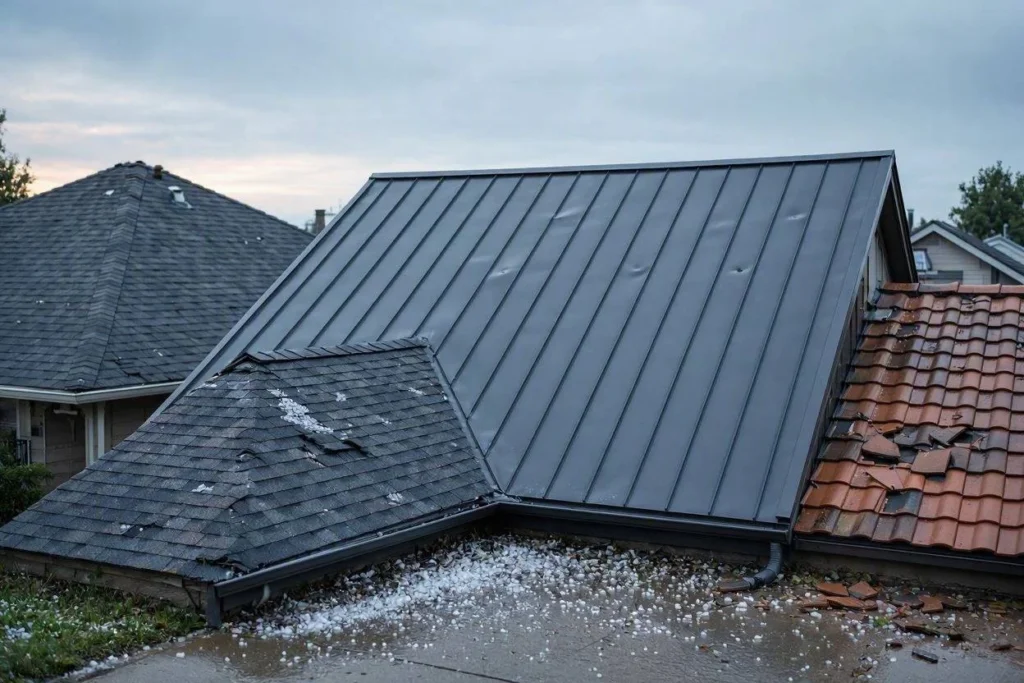
Which Roofing Material Performs Best During Hailstorms?
Hailstorms are one of the biggest threats to roofs in North Texas. Large hailstones can crack shingles, dent metal panels, damage flashing, and reduce the overall lifespan of your roofing system.
When selecting the best roofing materials for Texas weather, hail resistance should be one of your top priorities.
Asphalt Shingles
High-quality architectural asphalt shingles offer good hail resistance and are a popular choice for Texas homeowners. However, repeated hailstorms can cause granule loss, cracks, or broken shingles, which may require repairs or replacement.
Metal Roofing
Metal roofs perform exceptionally well during hailstorms. While very large hailstones may leave cosmetic dents, metal roofing is less likely to crack or suffer structural damage compared to traditional shingles.
Clay Tile
Clay tiles are durable but can crack if struck by very large hailstones. Replacing damaged tiles can also be more expensive than replacing asphalt shingles.
Composite Roofing
Modern composite roofing products are designed to withstand severe weather and often have high impact-resistance ratings, making them another excellent option for Texas homes.
Wind Resistance Comparison
Strong winds are common during Texas thunderstorms. A roofing system that can withstand high wind speeds is essential for protecting your home.
Asphalt Shingles
Premium architectural shingles typically provide good wind resistance when installed correctly. Proper fastening and quality installation are key to their performance.
Metal Roofing
Metal roofing is one of the strongest options for windy conditions. Its interlocking panels help resist wind uplift and make it a reliable choice for areas that experience frequent storms.
Clay Tile
Clay tile roofs can perform well in windy conditions when properly installed, but individual tiles may become damaged if exposed to extreme weather.
Composite Roofing
Composite roofing combines durability with excellent wind resistance, making it a dependable choice for many Texas homeowners.
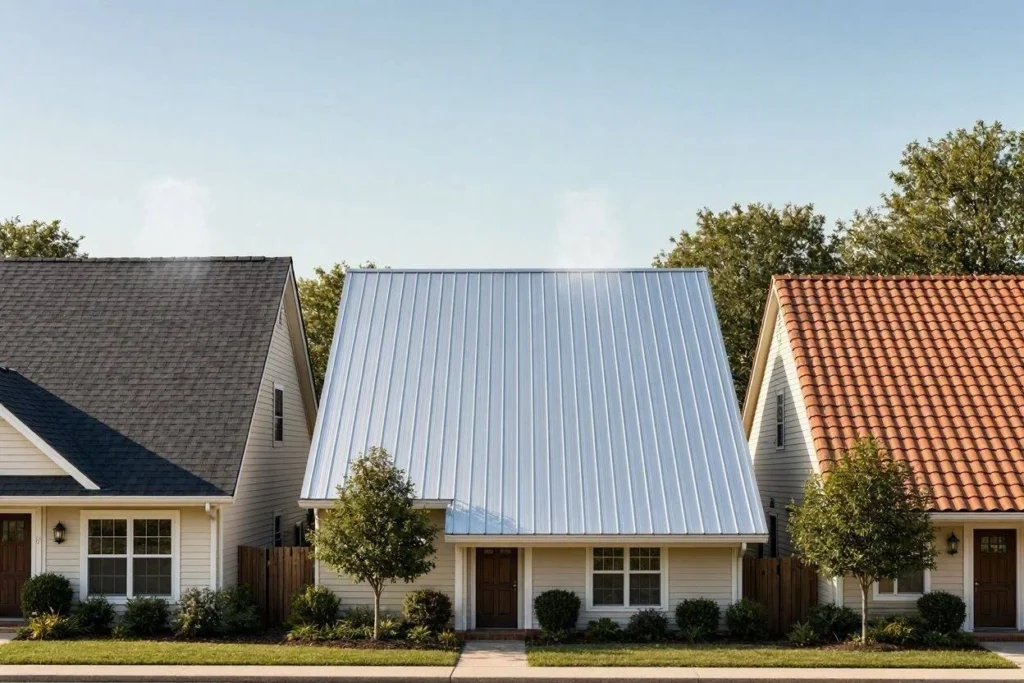
Which Roofing Material Is Most Energy Efficient?
Energy efficiency is another important factor when choosing the best roofing materials for Texas weather, especially during the hot summer months.
Metal Roofing
Metal roofs reflect sunlight rather than absorbing it, helping reduce attic temperatures and easing the workload on your air conditioning system.
Clay Tile
Clay tiles naturally provide thermal insulation, helping keep homes cooler during hot weather.
Composite Roofing
Many composite roofing products are manufactured with energy-efficient technology that reduces heat absorption.
Asphalt Shingles
Modern reflective asphalt shingles perform better than older designs, but they generally absorb more heat than metal or clay tile roofs.
Choosing an energy-efficient roofing material can help lower cooling costs while improving indoor comfort.
Maintenance Requirements
Even the best roofing materials for Texas weather require regular maintenance to maximize their lifespan.
Keep Gutters Clean
Leaves and debris can block water flow, increasing the risk of leaks and roof damage.
Schedule Annual Roof Inspections
Professional inspections help identify minor issues before they become costly repairs.
Remove Debris
Branches, leaves, and dirt should be removed from the roof regularly to prevent moisture buildup.
Check After Storms
After heavy rain, hail, or strong winds, inspect your roof for visible damage or schedule a professional inspection.
Trim Overhanging Trees
Tree branches rubbing against the roof can damage shingles and increase the risk of storm-related problems.
Which Roofing Material Lasts the Longest?
Longevity is one of the most important considerations for homeowners planning a roof replacement.
| Roofing Material | Expected Lifespan |
|---|---|
| Asphalt Shingles | 20–30 Years |
| Composite Roofing | 30–50 Years |
| Metal Roofing | 40–70 Years |
| Clay Tile Roofing | 50+ Years |
| Slate Roofing | 75–100 Years |
Although asphalt shingles are the most affordable option, homeowners planning to stay in their home for decades often choose metal or tile roofing because of their exceptional durability.
How to Choose the Best Roofing Material
Every home is different, and there is no single roofing material that fits every situation.
Consider the following factors before making your decision:
Your Budget
Determine how much you’re comfortable investing in your new roof. While asphalt shingles have a lower upfront cost, metal and tile roofs often provide better long-term value.
Home Style
Choose a roofing material that complements your home’s architectural design and enhances curb appeal.
Local Weather
If your area experiences frequent hailstorms, strong winds, or extreme heat, prioritize materials that are specifically designed to withstand those conditions.
Energy Savings
Energy-efficient roofing materials can reduce cooling costs and improve indoor comfort throughout the year.
Long-Term Plans
If you plan to stay in your home for many years, investing in a longer-lasting roofing material may provide greater value over time.
Frequently Asked Questions
What are the best roofing materials for Texas weather?
Metal roofing, architectural asphalt shingles, clay tiles, composite roofing, and slate are among the best options due to their durability and ability to withstand heat, hail, and strong winds.
Which roof lasts the longest?
Slate roofs typically have the longest lifespan, followed by clay tile and metal roofing.
Is metal roofing good for Texas?
Yes. Metal roofing is one of the best roofing materials for Texas weather because it offers excellent heat resistance, durability, energy efficiency, and wind performance.
Are asphalt shingles suitable for Texas homes?
Yes. High-quality architectural asphalt shingles remain a popular choice due to their affordability, attractive appearance, and reliable performance.
Which roofing material handles hail the best?
Metal roofing and impact-resistant composite roofing generally provide the best protection against hail damage.
Which roof is the most energy efficient?
Metal roofing and clay tile roofing are among the most energy-efficient options because they reduce heat absorption and help keep homes cooler.
How often should a roof be inspected?
Roof inspections should be performed at least once a year and after major storms to identify any damage early.
Can a better roof increase home value?
Yes. A professionally installed roof improves curb appeal, enhances buyer confidence, and can increase the resale value of your property.
Which roofing material requires the least maintenance?
Metal roofing and slate roofing generally require less maintenance than traditional asphalt shingles.
How do I choose the right roofing contractor?
Look for a licensed, insured, and experienced local roofing company with positive customer reviews, transparent pricing, and strong workmanship warranties.
Final Thoughts
Choosing the best roofing materials for Texas weather is essential for protecting your home against extreme heat, hailstorms, heavy rain, and strong winds. Every roofing material has its own advantages, but selecting the right one depends on your budget, long-term goals, and the specific needs of your home.
For many homeowners, architectural asphalt shingles provide an excellent balance of affordability and performance, while metal roofing offers superior durability, energy efficiency, and long-term value. Clay tile, composite, and slate roofing are also outstanding choices for homeowners seeking premium protection and a longer lifespan.
No matter which roofing material you choose, professional installation and regular maintenance are key to ensuring your roof performs well for years to come.