Hail Damage
Can Hail Damage Be Invisible? What McKinney Homeowners Should Know
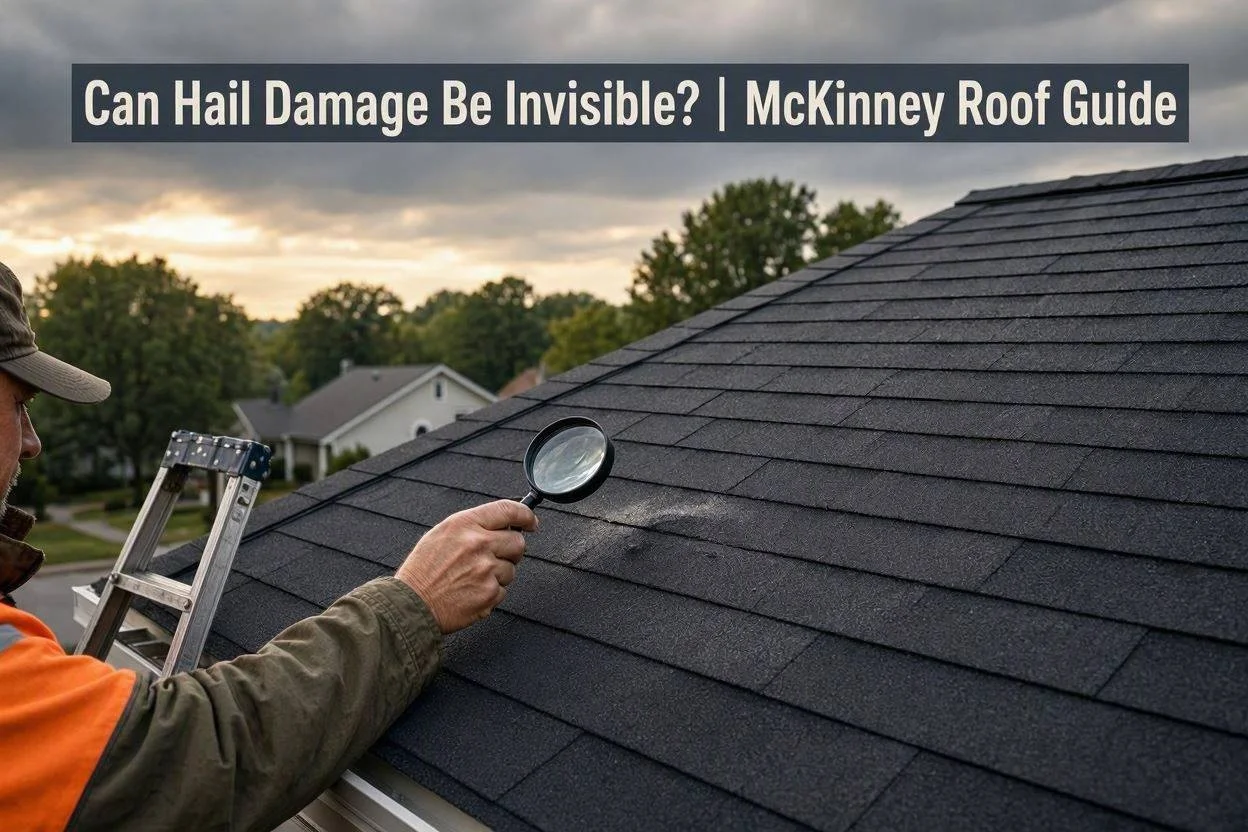
Can hail damage be invisible? Yes. In fact, some of the most concerning roof damage after a hailstorm isn’t obvious from the ground.
A roof can look perfectly normal from your driveway while individual shingles, flashing, vents, or other roofing components have already been affected. Some hail impacts leave subtle marks or weaken roofing materials without creating an immediate leak.
This is why homeowners shouldn’t judge the condition of their roof only by what they can see.
For homeowners in McKinney, Texas, understanding can hail damage be invisible and knowing what to look for after a storm can help prevent small problems from becoming expensive roofing repairs.
Can Hail Damage Be Invisible?
Yes, hail damage can be invisible, especially when the impact is relatively small or occurs in an area that isn’t easy to see.
Hail doesn’t always create a large hole or completely break a shingle. Instead, an impact can bruise the roofing material, remove protective granules, or weaken the surface.
From the ground, these problems may be almost impossible to identify.
Over time, however, damaged areas can become more vulnerable to sunlight, rain, wind, and temperature changes.
That’s why a professional roof inspection can be useful after a significant hailstorm.
Why Is Hail Damage Sometimes Difficult to See?
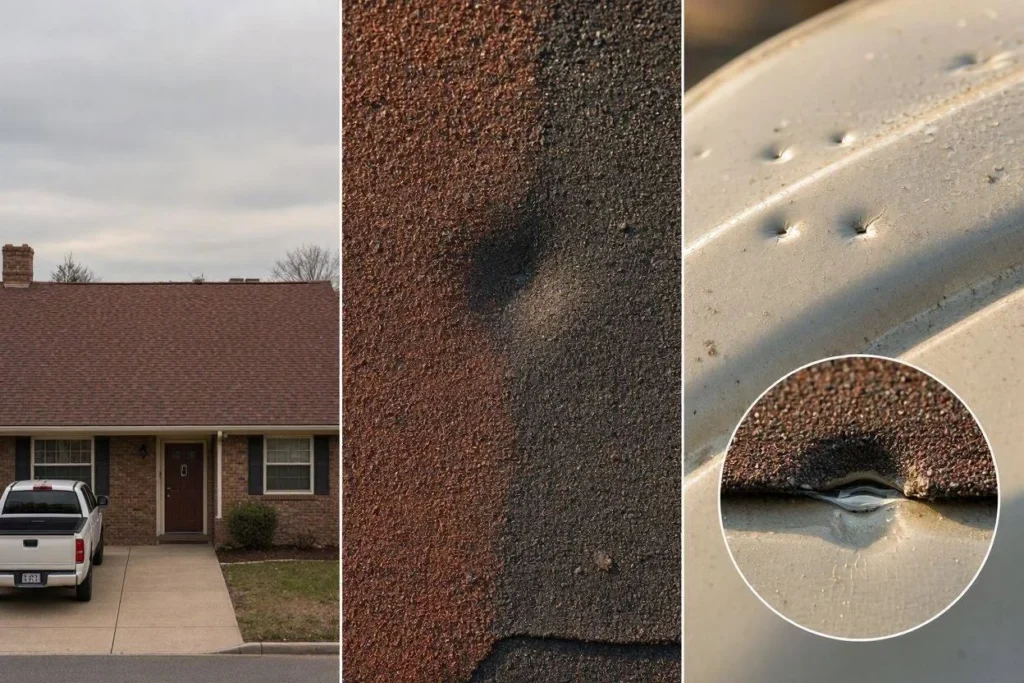
There are several reasons invisible hail damage can be missed.
Small Impact Marks
Small hailstones may leave marks that blend into the existing texture or color of the roofing material.
A homeowner looking at the roof from several feet away may not notice anything unusual.
Damage Beneath the Surface
Some hail impacts affect the structure of a shingle without producing a dramatic visible crack.
The roofing material may still appear intact even though its protective properties have been compromised.
Roof Height and Angle
Most homeowners can’t safely get close enough to examine every part of their roof.
Different roof slopes can also reflect sunlight differently, making subtle impact marks harder to notice.
Older Roofing Materials
An older roof may already have normal wear, granule loss, curling, or discoloration.
That can make it even more difficult to distinguish storm-related damage from ordinary aging.
What Does Invisible Hail Damage Look Like?
Can hail damage be invisible? Yes, but that doesn’t mean there are never clues.
A professional may look for several indicators during an inspection.
Bruised Shingles
A hail impact can create a soft or damaged area on an asphalt shingle.
The shingle may not have a large visible hole, but the impact can still affect the material.
Missing Granules
Granules provide an important protective layer on asphalt shingles.
After a hailstorm, excessive granule loss can indicate that the shingles have been impacted.
You may notice granules collecting in gutters or around downspouts.
Cracks Around Shingle Areas
Some impacts can create small cracks that aren’t immediately obvious.
These cracks can become more problematic as the roof continues to experience weather exposure.
Damaged Flashing
Hail can also affect metal flashing around chimneys, vents, skylights, valleys, and other roof features.
Small dents or deformation may indicate that the property experienced significant hail impact.
Can Hail Damage Cause a Leak Later?
One of the reasons can hail damage be invisible is such an important question is that damage doesn’t always produce an immediate leak.
A damaged shingle may continue to keep water out for a period of time. However, repeated exposure to rain, wind, heat, and sunlight can gradually worsen the affected area.
Eventually, moisture may reach the underlying roofing system.
That can lead to problems involving:
- Roof decking
- Insulation
- Attic materials
- Drywall
- Ceilings
- Interior finishes
A leak appearing weeks or months after a storm doesn’t necessarily mean the roof wasn’t damaged during the original event.
Signs That Your Roof May Have Hidden Hail Damage
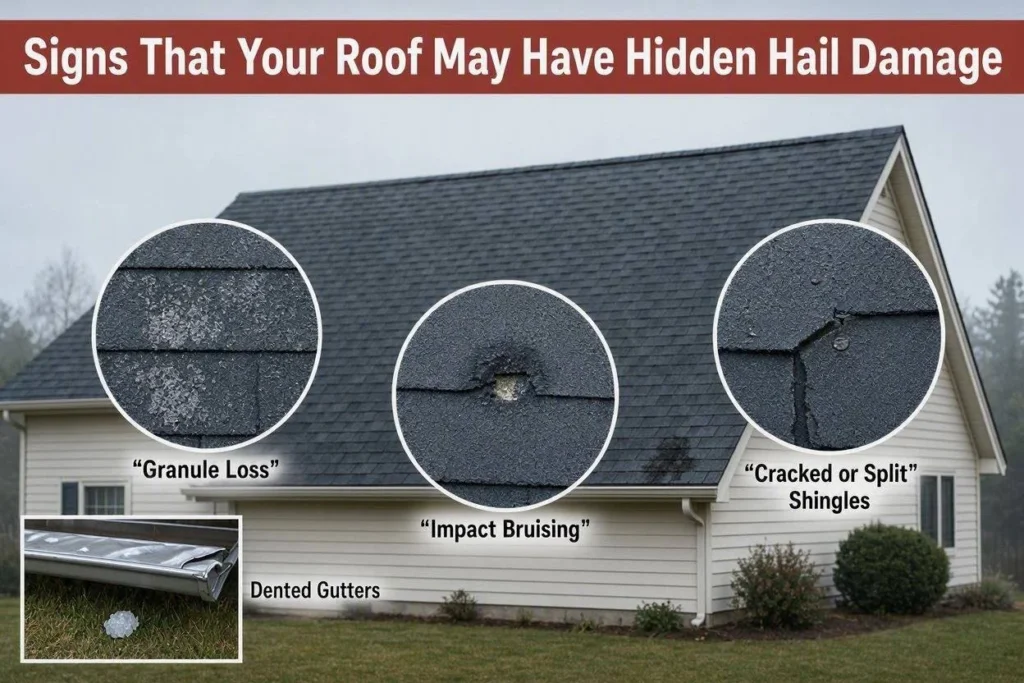
Even when hail damage is invisible from the ground, homeowners may notice other signs around the property.
Look for:
- Excessive granules in gutters
- Dented gutters
- Damaged downspouts
- Dented vents
- Damaged flashing
- Cracked shingles
- Missing shingles
- Water stains inside the house
- Damp attic insulation
- New roof leaks
These signs don’t automatically prove that hail caused the damage, but they are reasons to have the roofing system evaluated.
Can You Check for Invisible Hail Damage Yourself?
You can perform a visual inspection from the ground, but homeowners should avoid climbing onto the roof.
Roof surfaces can be steep, slippery, and unstable, particularly after rain.
More importantly, identifying hail damage requires knowing what you’re looking for.
A professional roofer can examine the roofing material more closely and determine whether the observed conditions are consistent with storm damage.
If you’re asking can hail damage be invisible, the safest answer is to have a qualified professional inspect the areas you can’t safely evaluate yourself.
What Happens During a Hail Damage Roof Inspection?
A professional inspection usually involves more than simply looking for missing shingles.
The roofing contractor may examine:
- Shingles
- Roof valleys
- Flashing
- Vents
- Chimneys
- Skylights
- Roof edges
- Gutters
- Downspouts
- Other exposed roofing components
The inspector may also look inside the attic if there are signs of moisture intrusion.
The goal is to determine the current condition of the roofing system and identify areas that may need attention.
Does Invisible Hail Damage Mean You Need a New Roof?
Finding invisible hail damage doesn’t automatically mean your roof needs to be replaced.
Depending on the extent of the damage, the roof may only need:
- A small repair
- Replacement of damaged components
- Flashing repairs
- Shingle replacement
- Additional monitoring
A full roof replacement may be considered when damage is widespread, the roof is already old, or the existing roofing system has significant deterioration.
The correct recommendation should be based on the condition of the roof rather than the fact that a hailstorm occurred.
What Should You Do After a Hailstorm?
If your McKinney property has experienced a significant hailstorm, start with a safe visual inspection.
Step 1: Check the Property
Look at your roof, gutters, vents, siding, windows, and other exterior areas from the ground.
Step 2: Look for Interior Signs
Check ceilings and attic spaces for water stains, damp insulation, or other signs of moisture.
Step 3: Take Photos
Document visible damage with photographs.
Step 4: Don’t Climb on the Roof
Avoid putting yourself at risk trying to identify damage.
Step 5: Schedule an Inspection
If the storm was severe or you have concerns, contact a professional roofing contractor.
Step 6: Review Your Options
Once the condition of the roof is understood, you can decide whether repair, replacement, or monitoring is appropriate.
Why McKinney Homeowners Should Pay Attention to Hail Damage
McKinney and the surrounding North Texas area can experience severe thunderstorms that bring hail and strong winds.
A roof that looks fine immediately after a storm may still have problems that aren’t visible from the ground.
This is especially important for older roofs because existing wear can make roofing materials more vulnerable to additional storm impact.
If you live in McKinney and have recently experienced significant hail, an inspection can provide useful information about the condition of your roof.
How to Prevent Hidden Damage From Becoming a Bigger Problem
You can’t prevent hail from falling, but you can respond quickly when severe weather occurs.
Regular roof inspections, proper maintenance, clean gutters, good attic ventilation, and prompt repairs can help keep the roofing system in better condition.
After a major storm, don’t wait for a ceiling leak before checking the roof.
A small issue is generally easier to address than widespread moisture damage.
Frequently Asked Questions
Can hail damage be invisible?
Yes. Hail damage can be invisible from the ground because some impacts bruise shingles, remove granules, or weaken roofing materials without creating obvious holes or immediate leaks.
How can I tell if hail damaged my roof?
Look for missing or damaged shingles, excessive granules in gutters, dents in metal components, and interior signs of water intrusion. A professional inspection can identify less obvious damage.
Can invisible hail damage cause leaks?
Yes. Damage that isn’t immediately visible can become worse with continued exposure to rain, wind, sunlight, and temperature changes.
Does every hailstorm damage a roof?
No. The amount of damage depends on hail size, wind conditions, roofing material, roof age, and the condition of the existing roof.
Should I climb onto my roof to look for hail damage?
No. It’s safer to inspect the property from the ground and have a professional examine areas that cannot be safely reached.
Can a new roof get hail damage?
Yes. No roofing material is completely immune to severe hail. However, some roofing products are designed to provide greater impact resistance.
Does hidden hail damage require roof replacement?
Not necessarily. Minor or localized damage may be repairable. Replacement depends on the extent of the damage and the overall condition of the roof.
Should I get my roof inspected after a hailstorm?
If the storm was severe or there are signs of damage around your property, a professional inspection can help determine whether the roof was affected.
Final Thoughts
Can hail damage be invisible? Absolutely.
Some of the damage caused by hail isn’t dramatic enough to be noticed from the ground. A shingle may look intact while having a weakened or bruised area underneath its surface. Flashing and other roof components can also suffer subtle impact damage.
The absence of an immediate leak doesn’t necessarily mean the roof is completely unaffected.
For McKinney homeowners, the sensible approach after a significant hailstorm is to inspect the property safely, document visible signs of damage, and arrange a professional roof inspection when there are concerns.
You don’t need to assume that every hailstorm means a new roof. The goal is simply to find out what actually happened and address any problems before they have a chance to become more expensive.